An owner looking at this line is often holding a county tax bill with a charge they do not recognize. Some are heirs who have found unpaid amounts on a parent's house, and some are already behind and have a delinquency notice in hand. The questions are practical ones: what the charge is, whether it can be set aside, how long it lasts, and what the county can do if it stays unpaid. This guide answers those questions in California terms. It traces the path from a delinquent bill to a tax-defaulted property and, at the end of that path, a possible tax sale.
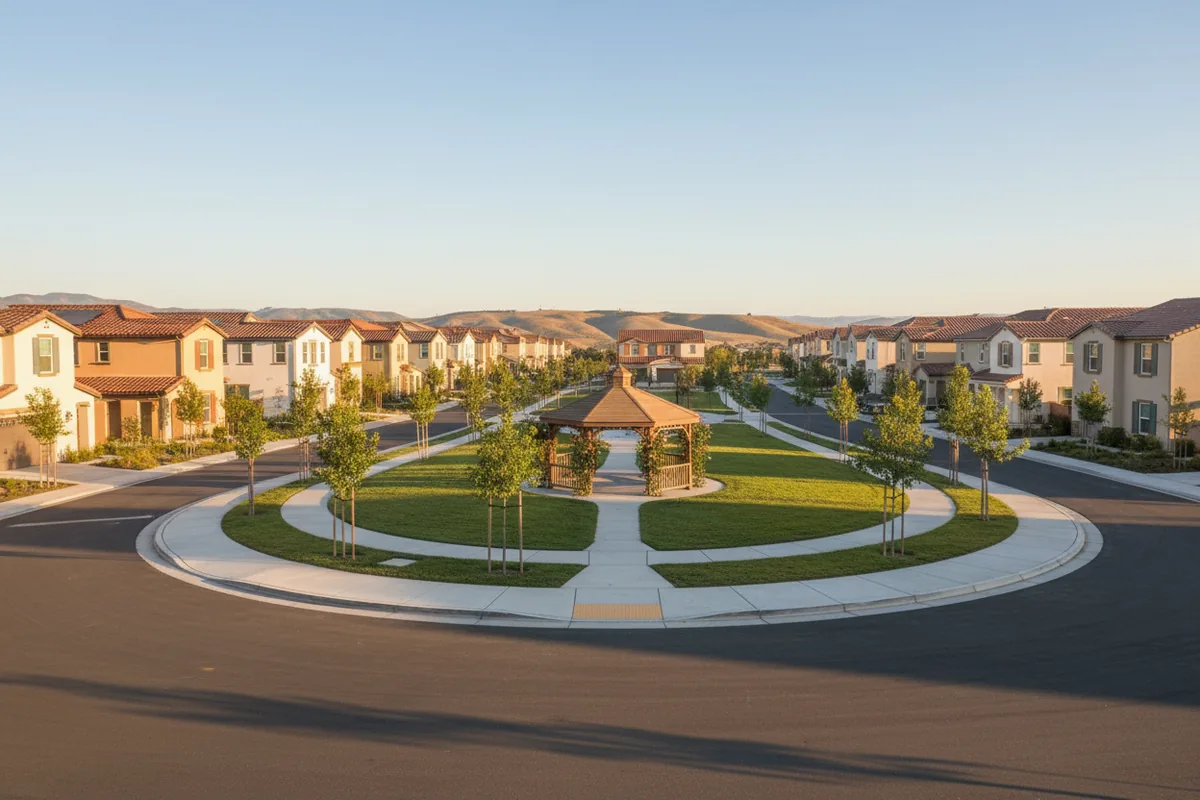
A Mello-Roos tax is a special tax charged on property inside a community facilities district. That is a local district formed to pay for public facilities or services in a defined area. The tax appears on the secured property tax bill and runs for the term the district's documents set. If it goes unpaid, it follows the same path toward tax default as the rest of the bill, and the district may also go to court to foreclose the lien of special tax.
On this page
What It Means for Owners
A community facilities district, or CFD, is a district formed under California's Mello-Roos Community Facilities Act of 1982. It covers a set area of land, and the special tax it levies pays for public improvements or services that serve that area. Depending on the district, those can include roads, schools, fire protection or utilities.
The CFD charge shows as its own line on the secured property tax bill. A secured bill is the annual bill tied to the land itself. The county tax collector, the county officer who collects property taxes, collects the CFD charge with the base property tax.
The two charges are figured differently. The base property tax is ad valorem, meaning it is based on the property's assessed value. A Mello-Roos tax is set by the district's rate and method of apportionment. That is the formula in the district's formation documents for dividing the tax among parcels, and the county assessor does not set it.
The tax also has a fixed term. It runs for the period set in the district's formation documents, which is often tied to repaying the bonds the district sold. When that obligation is paid off, the tax generally ends. The district's documents show the amount and the term for a given parcel.
Who It Affects
A property owes the tax if it lies inside a CFD boundary, and a property outside the boundary does not. The boundary is drawn when the district is formed. CFDs are common in planned communities, master-planned subdivisions and other newer developments, so buyers of newer homes often encounter them first. Older neighborhoods can be inside a district too.
A change in ownership does not change the tax. The tax runs with the land, not the person, so a buyer or an heir who takes title before the term ends takes on the remaining charges with the house. An heir who finds both the CFD line and the base tax unpaid is looking at the same bill and the same collection path as anyone else. The general stages are explained in the guide to unpaid property taxes in California.
There are two places to check. The secured tax bill names each CFD charge. The county treasurer-tax collector's office and the county assessor's office can say whether a parcel lies within a district.
Rules, Disclosures and Fine Print
The Mello-Roos Community Facilities Act of 1982, part of the California Government Code, is the law that lets local agencies form these districts and levy special taxes. Those agencies include cities, counties, school districts and special districts. The Act sets out how a district is formed and approved and how its rate and method of apportionment are fixed. The formation documents, not the assessor, control what each parcel owes.
Sales carry a disclosure point as well. California has notice requirements for selling property that is inside a district. The escrow holder or an attorney can say which notice applies to a particular sale and when it is given. A sale does not change or skip that requirement, whether the buyer pays cash or takes the house as it is.
Because the charge sits on the secured roll, it is generally enforced the way the rest of the secured bill is enforced. That includes the steps toward tax default and a possible tax sale. As a "cumulative remedy," the district's legislative body may also order delinquent special taxes "collected by an action brought in the superior court to foreclose the lien of special tax." The stages run in order: the bill becomes delinquent, the property becomes tax-defaulted, and later the tax collector may obtain the power to sell it.
Federal income tax treatment is a separate question. Whether any part of a Mello-Roos charge can be deducted depends on how the tax is set and on the owner's own return, and it is a question for a CPA, an enrolled agent or a tax attorney.
Options and Trade-offs
An owner who falls behind on a bill that includes a CFD line has the same basic choices that apply to any unpaid secured bill. Each choice has its own costs and limits.
Paying in installments. Rev. & Tax. Code section 4217 provides that "Any person may elect to pay delinquent taxes in installments under this article." The owner has to make that choice "at any time prior to 5 p.m. on the last business day prior to the date when the tax collector obtains the power to sell the property." The plan pays the redemption amount. Rev. & Tax. Code section 4216(a) defines that as the total needed to "redeem tax-defaulted property" when the plan is elected. It does not cover current-year taxes, so those still come due on their own schedule.
Section 4217 also says what happens after a missed payment. If a plan is started and the amount due in a fiscal year is not paid, payments on property that would otherwise have been subject to a power of sale during the calendar year of the default may not be started again under that article. Other plans may be started on or after July 1 of the fiscal year after the one in which the default occurred. Section 4217(b) adds that an owner may be charged a fee for processing the request, set by the board of supervisors' ordinance.
Redeeming in full. An owner can redeem, meaning pay off the default, by paying the full redemption amount. Under Rev. & Tax. Code section 3707(a)(1), "The right of redemption terminates at the close of business on the last business day prior to the commencement date of the tax sale." A payment sent by mail has to be received in the tax collector's office before that time. The right revives if the property is not sold. Under section 3707(e), a person with title of record loses all rights in the property if it is not redeemed by that deadline, unless the right revives.
Selling. An owner can sell before that same cut-off, and the back taxes are paid out of the sale. That process is explained in the guide to selling with back property taxes. A listing on the open market can reach more buyers, but it takes preparation and showings, and the sale may depend on a buyer's loan. A direct sale to a buyer who pays cash and takes the house as it is often brings a lower price. That buyer takes on the repairs, the risk and the cost of reselling. In exchange, the seller has less to prepare, fewer showings and less dependence on a loan approval.
A buyer paying cash does not erase the tax lien or any required notice. Owners who have the choice often compare written offers and estimated net proceeds: the price less commissions, repairs, carrying costs, loan payoffs and closing costs. That comparison shows which path fits the owner's situation.
Common Misunderstandings
Treating the CFD line as optional. The CFD charge is part of the secured bill. Paying the base tax and skipping that line still leaves part of the bill delinquent.
Assuming a sale ends the tax. The tax stays with the land for the rest of its term. A sale moves the charge to the next owner, so it does not end until the obligation behind it is paid off.
Confusing it with an HOA fee. A homeowners association fee is a private obligation under the association's governing documents. A Mello-Roos tax is a government levy collected on the tax bill and enforced through the tax-default process. A property can owe both.
Missing the cut-off. Paying, redeeming or selling all have to happen before the section 3707(a)(1) deadline described above, and an installment plan has to be elected before the tax collector obtains the power to sell.
Where Owners Find More Information
The secured property tax bill shows each CFD charge and the amount owed. The county treasurer-tax collector's office can give the current redemption amount for a tax-defaulted parcel and answer questions about the section 4217 installment plan. The county assessor's office can confirm whether a parcel is inside a district. Where a mortgage lender has paid the back taxes, the guide on lender-paid delinquent taxes explains how that debt moves to the loan. A rental has its own considerations, covered in the guide to rental property back taxes.
A dispute with a co-owner, a lender or the district over the tax is a contested matter, and an attorney handles it.
Owners often start by pulling the latest secured bill and noting each district's name and amount. The tax collector's office can then say which stage the parcel has reached: delinquent, tax-defaulted, or subject to the power to sell.
Free to ask
Explore my property tax options
Answer a few questions and choose what you'd like to explore: the county process, professional help, or an as-is sale. Your request is routed with your consent.
How it works
- Property & locationWhere the property is, and its county.
- Delinquency detailsAbout how much is owed, and the latest notice.
- Goals & urgencyCatching up, professional help, or selling, and how soon.
Frequently asked questions
How does a Mello-Roos tax work?
A community facilities district levies the tax on parcels inside its boundary to pay for facilities or services, often by repaying bonds. The county tax collector collects it on the secured bill. The amount comes from the district's rate and method of apportionment, not from assessed value. It runs for the term set in the district's formation documents.
How do I check whether my property has a Mello-Roos tax?
The secured property tax bill lists each CFD charge separately. The county treasurer-tax collector's office and the county assessor's office can confirm whether a parcel lies inside a district boundary.
Is a Mello-Roos tax deductible on a federal tax return?
That is a federal income tax question, and the answer turns on how the tax is set and on the owner's own return. A CPA, an enrolled agent or a tax attorney reviews whether any part of the charge can be deducted.
What is the difference between a Mello-Roos tax and an HOA fee?
One is a government levy on the tax bill and the other is a private association charge. They are separate obligations, as described under Common Misunderstandings above, and the same property can owe both.
What happens if I don't pay my Mello-Roos tax?
The CFD charge is on the secured bill, so nonpayment generally follows the same path as the rest of that bill: delinquent, then tax-defaulted, then possibly a tax sale, and the district may also go to court to foreclose the lien of special tax. The right to redeem ends at the cut-off set in Rev. & Tax. Code section 3707(a)(1), the close of business on the last business day before the sale begins.
Can I pay delinquent Mello-Roos taxes in installments?
Rev. & Tax. Code section 4217(a) lets any person elect an installment plan for delinquent taxes before the tax collector obtains the power to sell the property. The plan pays the amount needed to redeem tax-defaulted property under section 4216(a), not current-year taxes. The county tax collector's office administers the plan.
Does a Mello-Roos tax end when I sell the property?
No. The tax runs with the land, so the buyer takes on the charges left in the term. The seller still owes whatever notice California law requires for a property inside a district.