A landlord holding a delinquency or tax-default notice for a rental is often juggling several things at once: tenants who still live there and pay rent, a tax bill that has grown with penalties and costs, and a question about whether the property can be kept, caught up or sold. This guide walks through what each stage means for a rental owner in California, who is affected, which rules set the deadlines, and how the main options compare.
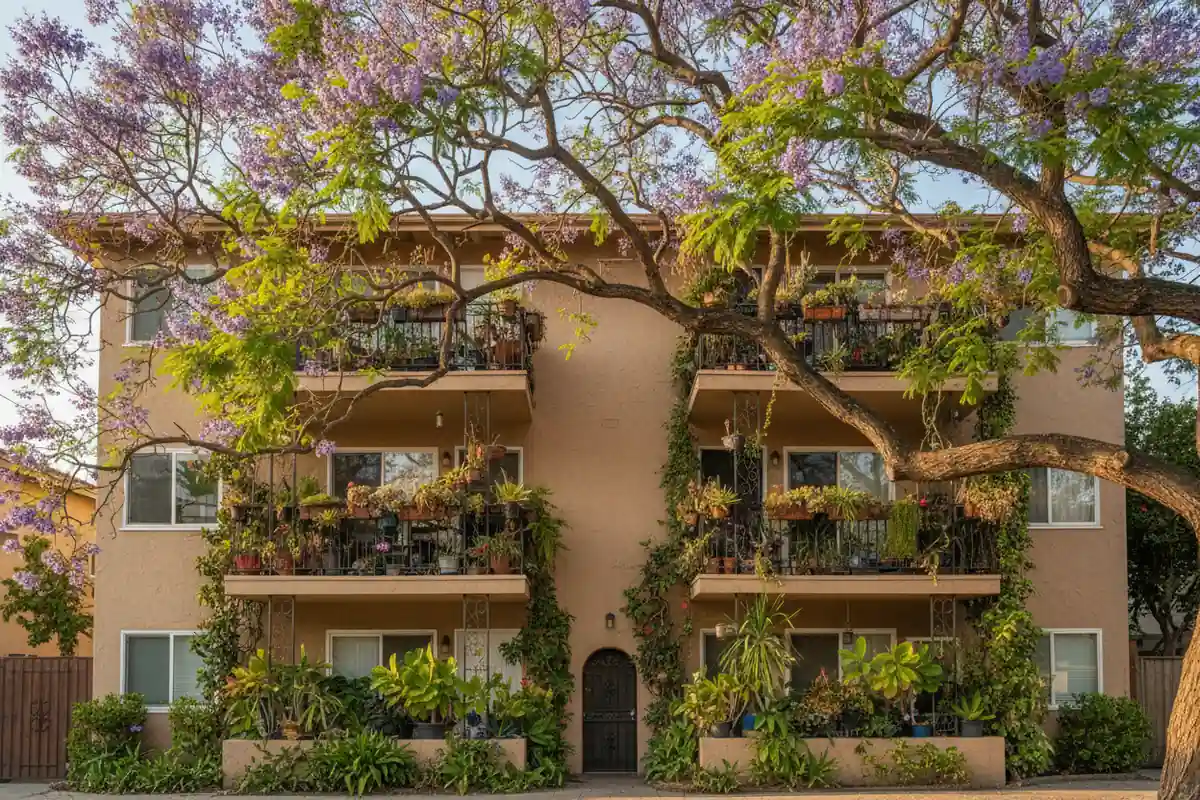
A California rental property with unpaid property taxes follows the same path as any other property: the taxes go delinquent, then the property becomes tax-defaulted, and the county tax collector can eventually sell it. Until the right to redeem ends, the owner can still pay in full, start a statewide installment plan if the timing allows, or sell.
On this page
What Delinquent Property Taxes Mean for a Rental Property Owner
Property taxes are delinquent when an installment is not paid by its due date. If they stay unpaid long enough, the property becomes tax-defaulted, the formal status a county gives a property with unpaid secured taxes at the end of the tax year. After a further period set by state law, the tax collector obtains the power to sell, meaning the legal authority to offer the property at a tax sale. The exact dates for each stage appear on the county's tax bill and in its records, and the California property tax delinquency timeline lays out how the stages connect.
A rental is not treated differently from a home the owner lives in. The secured property tax rules attach to the real property itself, whether it is a single house, a duplex or a small apartment building. Penalties and costs are added to the unpaid balance, and the county tax collector's records show the current amount.
The stage that matters most is the end of the right of redemption, which is the owner's right to pay what is owed and clear the default. Rev. & Tax. Code section 3707, subdivision (a)(1), states it plainly: "The right of redemption terminates at the close of business on the last business day prior to the commencement date of the tax sale." Under subdivision (e), if the property is not redeemed by then, anyone holding title of record loses all rights in the property, "including all legal and equitable interest therein."
Who This Affects: Owners, Co-Owners, and Tenants
The owner of record is the person or entity named on the recorded deed. Section 3707 speaks of "any person or entity with title of record," and those are the people whose rights in the property are on the line if the redemption cutoff passes. A co-owner is one of two or more people who hold title together. How title is held, whether as joint tenants, tenants in common or through a trust or company, shapes who can sign a sale or a payment plan, and the deed and any trust or entity documents are where that answer starts. Where co-owners disagree about paying, keeping or selling, that becomes a contested ownership matter, and an attorney handles it.
A tenant rents the property under a lease or rental agreement. That agreement is a contract between landlord and tenant, separate from the tax obligation. The tax bill is the owner's responsibility, not the tenant's, even when rent is the money the owner uses to pay it.
A tax sale can still reach the tenant's household. When title passes to a new owner, the tenant's position depends on the lease terms and California landlord-tenant law, and the new owner's rights depend on the same things. For a landlord, this is often the hardest part: the consequences of a default reach people who had no part in it. Questions about a particular tenant's rights belong with an attorney.
Rules, Disclosures, and the Tax-Sale Timeline
Two statewide rules frame the timeline for a tax-defaulted rental, and both are set by the Revenue and Taxation Code rather than by any one county.
The first is the redemption cutoff in section 3707(a)(1), quoted above. Its other subdivisions fill in details that matter in practice:
- Mailed payments. Under subdivision (b), a payment sent by mail to redeem the property must be received in the tax collector's office before that cutoff, not merely mailed.
- The sale date. Under subdivision (a)(2), the start of the tax sale is the actual sale date, however long the auction runs.
- Revival. Under subdivision (d), the right of redemption revives if the property is not sold. Under subdivision (a)(4), it also revives on the next business day if the tax collector approved a credit sale and full payment was not received by the required date.
The second rule is the installment plan in Rev. & Tax. Code section 4217, described in the options below.
Locally, the process is run by each county's tax collector, such as the Los Angeles County Treasurer and Tax Collector or the Contra Costa County Treasurer-Tax Collector. The California State Controller's Office is a statewide source of information on tax sales. Current amounts, notices and any scheduled sale date come from the county office.
Selling a tax-defaulted rental also raises disclosure questions, and which disclosures a seller owes to a buyer depends on the property and the sale. An attorney or a real estate agent can say which apply.
Options and Trade-offs for a Rental Property Owner
Each option below keeps or ends ownership differently, and each runs against the same redemption cutoff in section 3707(a)(1). The ways to catch up and keep the property and the ways to sell carry different costs.
Paying in full (redemption). Paying the full redemption amount, as the tax collector's records state it, clears the default. The owner keeps the property and the rental income continues. The trade-off is the cash needed at once, including penalties and costs.
An installment plan. Section 4217(a) provides that "Any person may elect to pay delinquent taxes in installments under this article at any time prior to 5 p.m. on the last business day prior to the date when the tax collector obtains the power to sell the property." This is a statewide right, not a county option. It spreads the payments out, and under subdivision (b) a processing fee may apply if the board of supervisors sets one by ordinance, and that fee may be collected on the tax bill. The trade-off is the default rule: if a required payment is missed, a new plan may not be started for property that would have been subject to the power of sale in that calendar year, and other plans may be started on or after July 1 of the fiscal year after the default.
Listing with a real estate agent. An open-market sale can reach the widest pool of buyers, and the redemption amount can be paid from the proceeds at closing. The trade-off is preparation, showings, commission and the time a market sale takes, which depends on the market and the property.
Selling directly to a buyer who pays cash. A buyer who takes a rental as it is, often with tenants in place, asks less of the seller: less preparation, fewer showings and less dependence on a buyer's loan. In exchange, a direct offer is often lower than an open-market price, because that buyer takes on the repairs, the risk and the cost of reselling. A cash sale changes none of the owner's duties: the unpaid taxes and any liens remain against the title until paid, and disclosure duties stay as they are.
Comparing written offers and estimated net proceeds, meaning the price less commissions, repairs, carrying costs, loan payoffs and closing costs, is how an owner tells which way fits. The options for selling with delinquent taxes explain how back taxes are paid from escrow.
Mistakes to Avoid
Several of the costliest errors with a delinquent rental come from timing assumptions rather than from the size of the bill.
Letting the redemption cutoff pass. Once the right of redemption ends under section 3707(a)(1), the owner can no longer redeem, and section 3707(e) ends the title holder's rights in the property. Paying, redeeming or selling all have to be completed before that point.
Treating the installment plan as always open. Section 4217(a) allows the election only before 5 p.m. on the last business day before the tax collector obtains the power to sell. After that, this plan is not the path.
Counting on tenants to cover the taxes. The tax obligation belongs to the owner of record. Rent received does not change who owes the county.
Assuming a cash or as-is sale clears the lien. "As-is" describes the condition a buyer accepts. The taxes still have to be paid, and the seller's disclosure duties stay the same.
Relying on an old bill. Penalties and costs change the balance over time, and a tax-defaulted property can move to a later stage. An out-of-date figure can leave a payment short.
What to Do Next
The county tax collector's records are the starting point for any rental with unpaid taxes. They show the current redemption amount, whether the property is still eligible for an installment plan, and whether a sale date has been set. In Los Angeles County, that office is the Treasurer and Tax Collector; in Contra Costa County, it is the Treasurer-Tax Collector; every California county has its own. The California State Controller's Office offers statewide information on how tax sales work, and the delinquent property tax help page covers the stages in one place.
A reader can also request a property tax options consultation through California Property Tax Help's form.
A useful next step is finding the most recent tax bill or default notice for the rental, along with the recorded deed, and checking the parcel's current status on the county tax collector's site against them.
Free to ask
Explore my property tax options
Answer a few questions and choose what you'd like to explore: the county process, professional help, or an as-is sale. Your request is routed with your consent.
How it works
- Property & locationWhere the property is, and its county.
- Delinquency detailsAbout how much is owed, and the latest notice.
- Goals & urgencyCatching up, professional help, or selling, and how soon.
Frequently asked questions
How long can you go without paying property taxes in California?
Unpaid taxes move from delinquent, to tax-defaulted, to the tax collector's power to sell, on dates the county bill and records show. The owner can still redeem until the cutoff in Rev. & Tax. Code section 3707(a)(1), described above. The tax collector's office states how far a particular parcel has gone.
What happens to tenants when a rental property is sold at a tax sale?
Title passes to a new owner, but the tenant's lease or rental agreement is a separate contract. What the tenant and the new owner can each do depends on the lease terms and California landlord-tenant law. When a tenant's rights are disputed, an attorney handles that question.
Can I set up a payment plan for delinquent property taxes on a rental property?
Yes, for taxes on tax-defaulted property, if the timing allows. Rev. & Tax. Code section 4217(a) gives any person a statewide right to pay delinquent taxes in installments, up to 5 p.m. on the last business day before the tax collector obtains the power to sell. A processing fee may apply, and missed payments limit restarting a plan.
Does a delinquent property tax affect my ability to sell the rental property?
An owner can sell a tax-defaulted rental before the redemption cutoff. The unpaid taxes and any liens stay with the title until paid, so a buyer typically expects them resolved at or before closing. A cash or as-is sale does not remove the lien or the seller's disclosure duties.
How does a rental property's delinquent tax status affect my income taxes?
That is a separate question from the property-tax timeline, and it depends on the owner's own tax picture. A CPA, an enrolled agent or a tax attorney reviews income-tax questions about a rental.
What is the difference between a delinquent property tax and a tax-defaulted property?
Delinquent means an installment was not paid by its due date. Tax-defaulted is the formal status a property enters when secured taxes remain unpaid at the end of the tax year. Default starts the period that leads to the tax collector's power to sell.