Most people facing a "tax defaulted" notation on a tax bill did not plan to be here. A job changed, a parent died and left a house, a mortgage escrow stopped covering the bill, or one year's shortfall quietly became two. Now there is a property in California, a county tax collector's notice, and a set of words like redemption, installment plan and power to sell that nobody explained. This page lays out what tax-default status means, what an owner can still do, and where a sale fits among the choices.
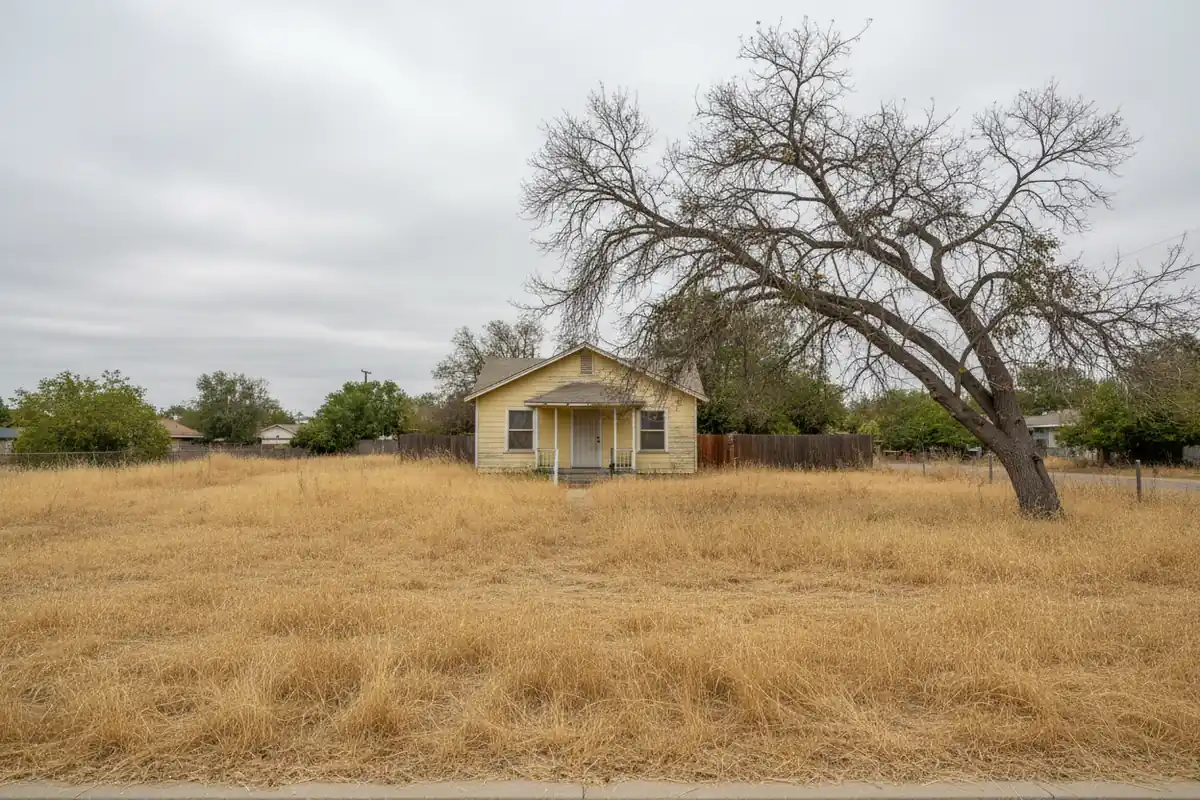
When California property taxes on real property are still unpaid at 12:01 a.m. on July 1, they are declared in default automatically. No court is involved. The owner still owns the property and can still redeem it by paying what is owed. The tax collector gains the power to sell only later, generally five or more years after the default.
On this page
- Key Takeaways
- When Tax Default Fits an Owner's Situation
- How Tax Default Works in California, Step by Step
- Costs and What Builds Up Over Time
- The Installment Plan: Cutoff, Limits and County Terms
- Options an Owner Can Weigh
- What to Have Ready Before Taking Any Step
- Local Context: How California Counties Handle Tax-Defaulted Property
- Frequently asked questions
- Sources
Key Takeaways
- Default is a status, not a lawsuit. It attaches on a fixed date under state law. There is no hearing to attend and no judgment entered against the owner.
- Ownership does not change at default. The owner keeps title and the right to redeem. The default is a record that taxes are owed, with penalties building on top.
- Time works against the balance. Redemption penalties keep adding to what is owed, so the cost of redeeming tends to grow the longer the default lasts.
- The longest window applies to homes. Residential property generally has five years before the power to sell arises. Nonresidential commercial property generally has three.
- An installment plan has its own cutoff. It can be started only before the tax collector obtains the power to sell. If a plan defaults, the owner may not be able to start another one.
- The county runs the process. State law sets the framework. Each county's tax collector applies it and publishes its own figures and forms.
When Tax Default Fits an Owner's Situation
This page fits an owner whose secured property taxes went unpaid. Secured taxes are the taxes on real property. The San Diego County Treasurer-Tax Collector's Secured Property Taxes page describes secured property as property that "can't be moved like homes or land."
It applies in two situations. The first is an owner who has received a delinquency or tax-default notice. The second is an owner who knows a year's taxes were still unpaid when July 1 arrived. Unsecured taxes and supplemental bills follow different rules and are a different subject.
Several neighboring topics come up for owners in this position. These include an inherited house with back taxes, a county's own calendar and procedures, a tax-sale notice, and the details of a redemption installment plan. This page touches each only where it explains what default means.
Some matters are contested. A lender may be foreclosing, co-owners may disagree about the house, or a court case may already be filed. A contested matter like that is handled by an attorney. This page describes the owner's choices and does not coach a dispute.
How Tax Default Works in California, Step by Step
1. Default by operation of law. At 12:01 a.m. on July 1, unpaid taxes, assessments, penalties and costs on real property are declared in default by operation of law. This rule excludes property that is already tax-defaulted and possessory interests (Rev. & Tax. Code section 3436).
"By operation of law" means the status attaches on its own. No one files anything and no one decides it. For the owner, July 1 is when the account changes character. What comes next is how the balance will be paid.
2. The right to redeem. Tax-defaulted property may be redeemed until the right of redemption is terminated (Rev. & Tax. Code section 4101). To redeem means to pay the full defaulted amount and clear the default.
The owner is not losing the house at this stage. The open questions are how much redeeming will take and whether it can be paid at once or over time. The cost is covered in the next section, and paying over time is covered under the installment plan below.
3. The power to sell. The tax collector gains the power to sell, and shall attempt to sell, tax-defaulted property that has not been redeemed. That power arises five years or more after the property became tax defaulted, or three years or more for nonresidential commercial property, unless other law makes the property not subject to sale (Rev. & Tax. Code section 3691).
The same section contains several qualifications:
- Residences are excluded from "nonresidential commercial." A constructed single-family or multifamily unit intended or used primarily as a permanent residence, or zoned as a residence, is not nonresidential commercial property. The land under it is excluded too.
- Some agricultural land is excluded. Real property used and zoned for producing commercial agricultural commodities is also not nonresidential commercial property.
- A county may extend the commercial period. By ordinance or resolution, a county may apply the five-year period to nonresidential commercial property.
- Disaster damage can pause the clock. For property damaged in a declared disaster area and not substantially repaired, the five-year period is tolled until five years have passed from the date of the damage.
- Some requests shorten the period. The power to sell can arise three years or more after default when certain public agencies, nonprofits or nuisance abatement lienholders request it.
For an owner, this section is why the year a default began matters so much. It also sets the outer limit for starting an installment plan, described below. The next thing to weigh is which category the property falls into.
4. When redemption ends. The right of redemption terminates at the close of business on the last business day before the tax sale begins. It revives if the property is not sold (Rev. & Tax. Code section 3707). A mailed payment must be received in the tax collector's office before that time. If the property is not redeemed by then, the owner of record loses all rights in it, unless the right of redemption revives because the property is not sold or because a sale approved as a credit transaction is not paid in full by the tax collector's required date, in which case the owner of record regains those rights.
Every one of these rules depends on the facts, the county and the law that applies to the particular parcel.
Costs and What Builds Up Over Time
What it takes to redeem is a sum of four parts (Rev. & Tax. Code section 4102):
- Prior year defaulted taxes. These are the original unpaid taxes.
- Delinquent penalties and costs. These were added when the installments went unpaid.
- Redemption penalties. These build while the property stays in default.
- A redemption fee. This is charged on each separately valued parcel.
Taken together, this means the balance on a defaulted parcel is not the old tax bill. It is that bill plus amounts that keep growing. The county tax collector's office publishes the current figure for each parcel, and that figure is the one to plan around.
The Installment Plan: Cutoff, Limits and County Terms
A plan lets an owner pay the defaulted balance over time instead of all at once, but the right to start one has a deadline, limits after a missed payment, and county-specific terms.
The cutoff. Under Rev. & Tax. Code section 4217, any person may elect to pay delinquent taxes in installments at any time before 5 p.m. on the last business day before the tax collector obtains the power to sell. In practice, the five-year or three-year timing from step 3 also sets the last day a plan can begin.
What happens after a missed payment. If a plan is started and a fiscal year's required payment is not made, some property cannot be put on a new plan. This applies to property that, but for the plan, would have been subject to a power of sale during the calendar year the plan defaulted. For other property, a new plan may be started on or after July 1 of the fiscal year after the default.
Fees. The county board of supervisors may set a processing fee for a plan by ordinance.
One county's terms. The San Diego County Treasurer-Tax Collector's Payment Plans - Five-Year Payment Plan page describes the county's five-year payment plan, including these points:
- The plan may be available to taxpayers in default for less than five years.
- It is not available to taxpayers who are late on their current year taxes.
- Starting a plan will not stop a foreclosure by a mortgage holder or the holder of a deed of trust.
The same page says the parcel stays on the defaulted tax roll while the plan runs. An owner weighing a plan may also want to know whether their current-year taxes are paid.
Options an Owner Can Weigh
Each option below has real trade-offs. None of them fits every property.
Redeeming in full. Paying the full amount under Rev. & Tax. Code section 4101 clears the default. It requires the whole sum, which may mean savings, help from family, or a loan. It is the most direct route, and also the one that needs the most cash at once.
An installment plan. A plan spreads the defaulted balance over time, within the Rev. & Tax. Code section 4217 cutoff described above. The trade-off is discipline. Missing a payment, or falling behind on current taxes under a county's plan terms, can end the plan. In San Diego County's case, a plan does nothing about a mortgage foreclosure. That makes it worth asking how the lender views the arrangement.
Selling the property. Some owners decide the house no longer fits, especially an heir or an owner whose budget changed for good. A sale does not change the default rules, the redemption deadline or the power to sell. The owner's duties and the law's steps are the same whoever the buyer is. How the defaulted balance is handled in a sale is a question for the escrow or title company and an attorney.
A sale can take two broad forms:
- Listing on the open market with a real estate agent. This usually involves preparation, showings, and a buyer who may depend on a loan.
- Selling directly to a buyer who pays cash and takes the house in its present condition. That buyer carries the repairs, the risk and the cost of reselling, which is why such offers often come in below an open-market price. In return, the seller gets less preparation, fewer showings and less dependence on a buyer's financing.
Comparing written offers and estimated net proceeds is how an owner tells which way fits. Net proceeds are the price less commissions, repairs, carrying costs, loan payoffs and closing costs.
Professional help. The county tax collector's office answers balance and plan questions. A tax professional or an attorney can review questions about income tax, title or a contested matter.
What to Have Ready Before Taking Any Step
Whichever path an owner leans toward, the same few papers usually come up first.
- The Assessor's Parcel Number (APN). This number identifies the parcel on county records and appears on the tax bill.
- The most recent tax bill or default notice. It shows the "tax defaulted" notation and the amounts the county lists.
- The current redemption amount. The county tax collector's office gives the figure for a specific parcel and a specific month.
- The county tax collector's contact information. That office publishes the current figures, plan forms and sale schedule for the county.
- Title or ownership documents. These matter most if the property was inherited or is held with others. Who can sign depends on how title is held.
- Mortgage statements, if there is a loan. Some lenders treat defaulted taxes as a problem under the loan.
If co-owners disagree or a lender has started foreclosure, the contested part belongs with an attorney.
Local Context: How California Counties Handle Tax-Defaulted Property
The state framework is the same everywhere in California. The administration is local. Los Angeles County, San Diego County, Contra Costa County, Sonoma County, Placer County and Sacramento County each have their own tax collector's office applying these Rev. & Tax. Code sections. Each publishes its own plan details, payment methods and sale dates. The same is true across the other counties, from Orange County and Riverside County to Fresno County.
San Diego County's pages give a sense of local detail. Its Right of Redemption page says redemption on a parcel ceases at 5 p.m. on the last business day before the sale. It also says a redemption payment sent 30 days or less before the sale must be made by cashier's check, money order, travelers check, wire or cash. The same page says a parcel may be withdrawn from a sale. Reasons it lists include an assessee in bankruptcy, an unprobated estate, and an error in advertising or noticing.
Rules like these are one county's practice. Where they differ from the statute, the statute governs. An owner in Sacramento or Sonoma would look to that county's own office for its terms. A county's own sale calendar and procedures can differ in their details from what is described here.
Free to ask
Explore my property tax options
Answer a few questions and choose what you'd like to explore: the county process, professional help, or an as-is sale. Your request is routed with your consent.
How it works
- Property & locationWhere the property is, and its county.
- Delinquency detailsAbout how much is owed, and the latest notice.
- Goals & urgencyCatching up, professional help, or selling, and how soon.
Frequently asked questions
What happens when you default on your property taxes in California?
The status changes, but ownership does not. The unpaid amount moves into default, and the property becomes "tax-defaulted" on county records. From then on, redemption penalties add to what is owed. Ongoing current-year bills still come due on their own schedule.
How long does a California property owner have before a tax-defaulted property can be sold?
For a home, the power to sell generally arises five years or more after default. Commercial property and certain requests can shorten that period, and disaster damage can toll it, as described above. Even after a sale is scheduled, redemption remains possible until the close of business on the last business day before the sale begins.
Can a California property owner pay delinquent taxes in installments?
Yes, as long as the plan is started before the section 4217 deadline tied to the power to sell. A missed payment can block a new plan for some properties, so the yearly amount matters as much as the first payment. Each county publishes its own plan terms. San Diego County's terms include keeping current-year taxes paid.
What does it cost to redeem a tax-defaulted property in California?
There is no single figure, because the amount is a sum of four parts that keeps changing. Redemption penalties grow over time, so a figure from last year is out of date. The county tax collector quotes the amount for a specific parcel as of a specific month.
What happens to the right of redemption if the property is not sold at the tax sale?
It revives. Under Rev. & Tax. Code section 3707, if the property is not sold, the owner of record regains all rights in it. The right also revives in one other case: when a sale approved as a credit transaction is not paid in full by the tax collector's required date.
Does selling a tax-defaulted property clear the back taxes?
A sale does not by itself change what is owed or the law's steps. The defaulted balance, the redemption deadline and the power to sell stay the same whoever the buyer is. How the balance is handled at closing is a question for escrow, title and an attorney. Comparing written offers by net proceeds shows what a sale would actually leave the owner.